
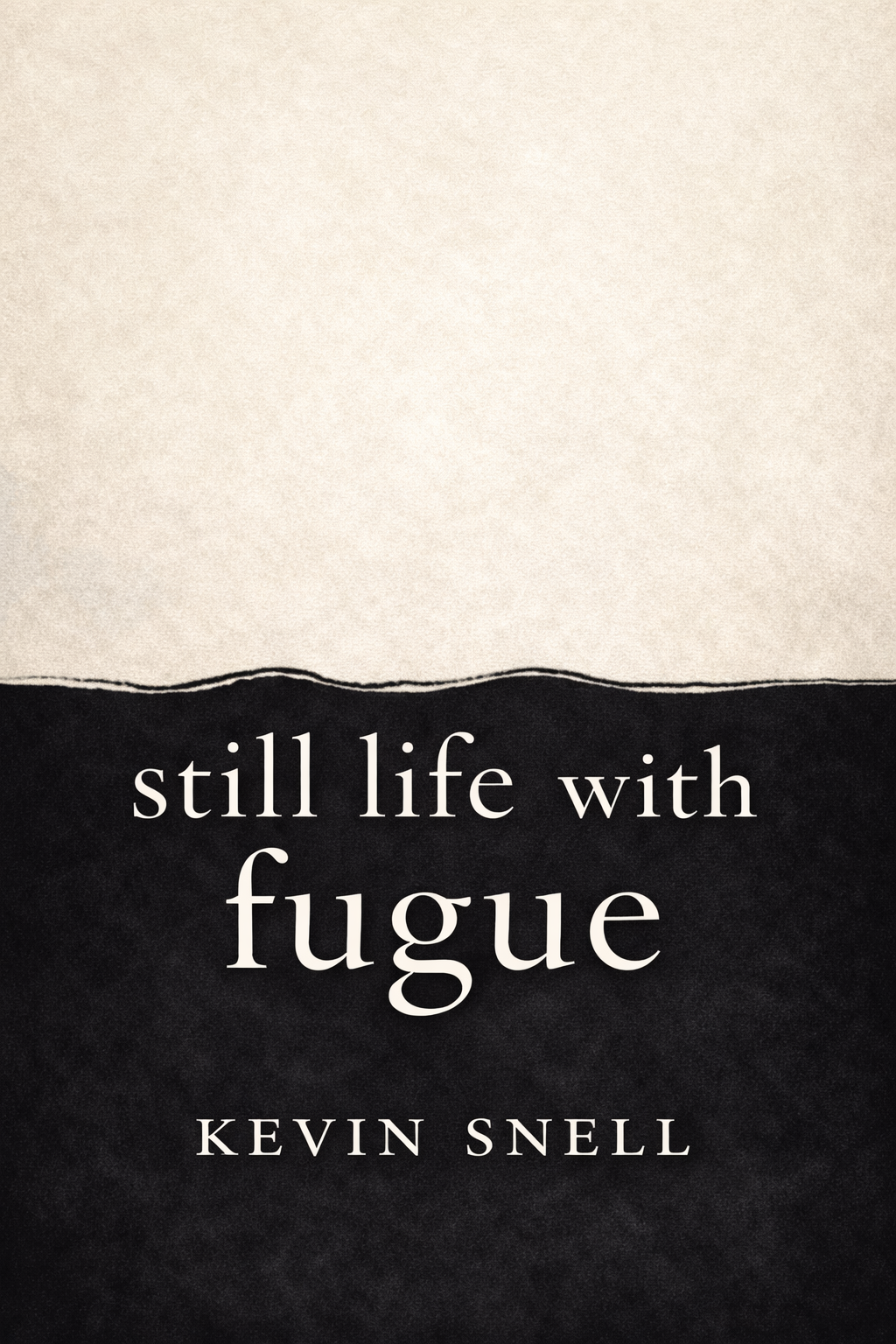
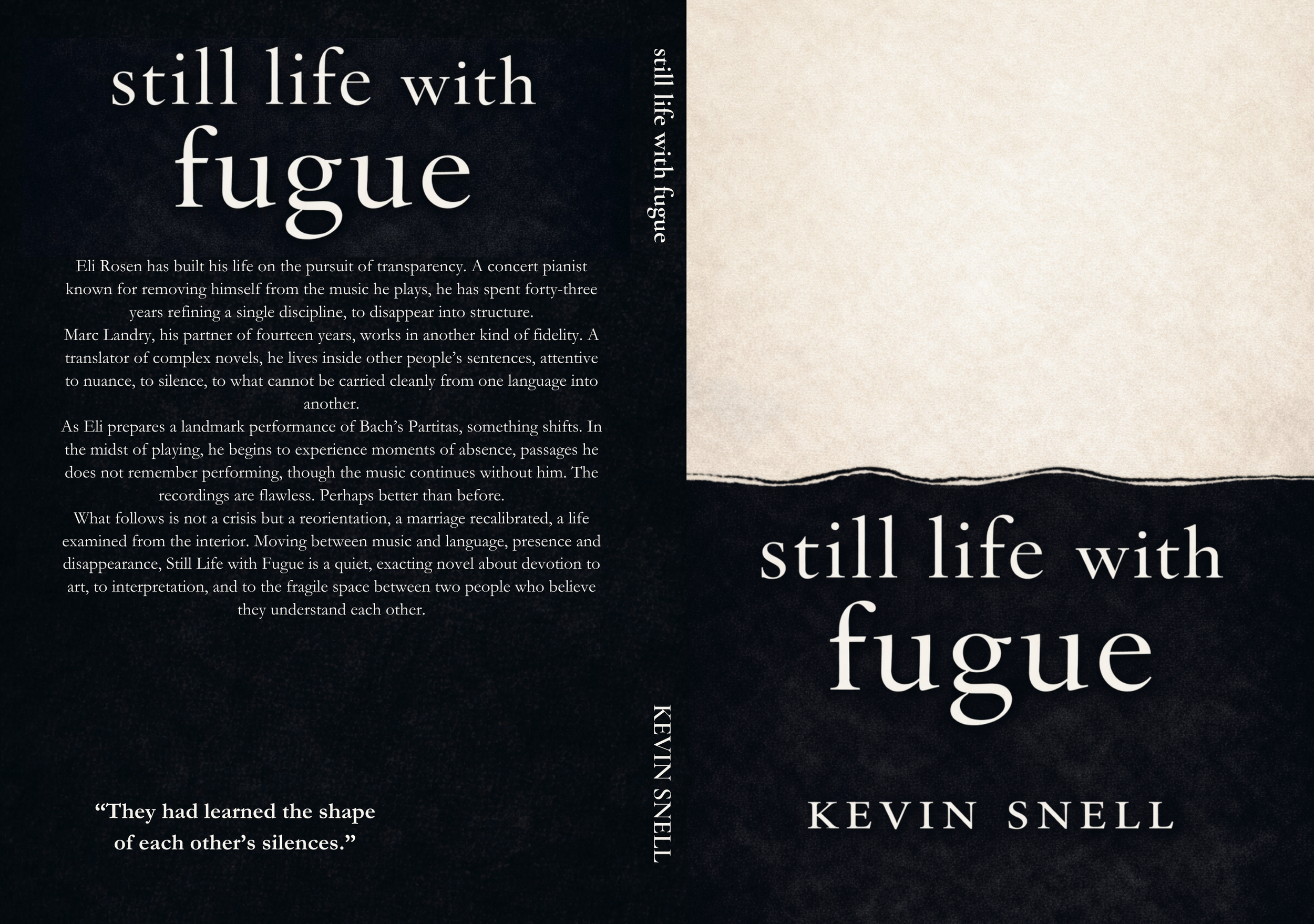
Still Life With Fugue
They had learned the shape of each other's silences.
Still Life With Fugue is a novel of composition and absence, where music becomes a structure for memory and desire.
As performance gives way to silence, what remains are the interior lives of men shaped by art, expectation, and the weight of unspoken history.
A restrained and intimate study of consequence.
Eli Rosen has spent forty-three years at the piano. A concert pianist known for his transparency—his ability to disappear behind Bach’s architecture—he is preparing the performance of a career: all six keyboard Partitas across three evenings in a small stone hall upstate.
Then something begins to happen.
During a routine practice session, Eli’s hands continue playing after his mind goes quiet. Four minutes pass. When he listens to the recording, the music is better than anything he has ever played—freer, more exposed, less like the performer and more like the composer. He cannot explain it. He cannot reproduce it. And he does not tell his husband.
Marc Landry is a literary translator, Portuguese to English. For twenty-three years he has carried other men’s sentences across languages with precision and grace. Now he is translating the final novel of Álvaro Mota, a posthumous work about a man who slowly dissolves into the house he lives in—and the prose begins to mirror, with unsettling accuracy, what is happening inside his own home.
As Eli’s episodes deepen and Marc’s translation advances, the distance between them widens in ways neither can name. A notebook hidden in a coat pocket. Translator’s notes that begin to read like confession. Two men in the same house, living in separate rooms.
Still Life With Fugue is a novel about music and silence, translation and secrecy, and the fragile architecture of a marriage under strain. It is a love story told in the space between two people who remain under the same roof—and may no longer be in the same life.
More Reading
-
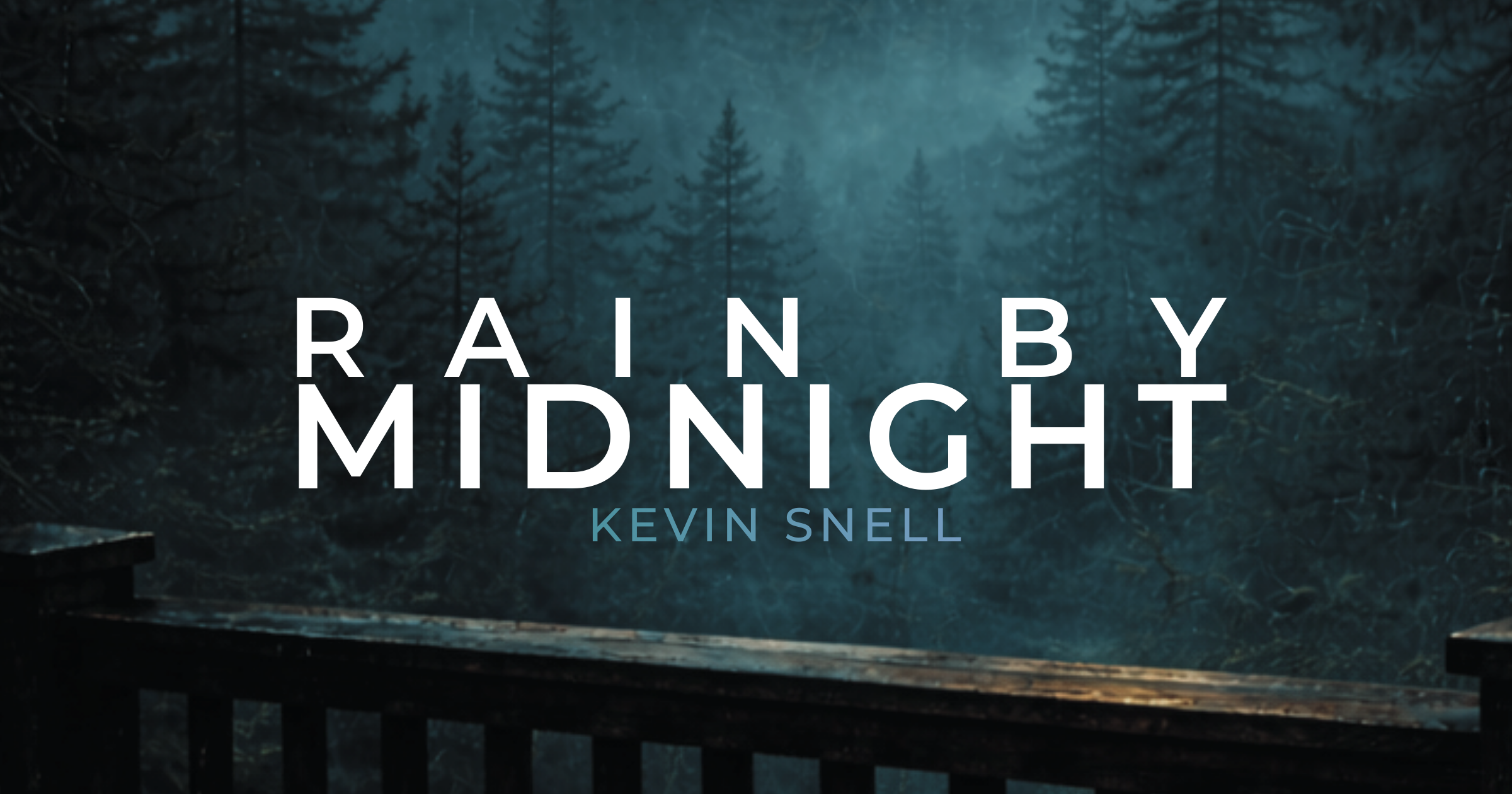
![Fog-covered pine forest at dusk viewed from a rain-dark wooden deck railing, with layered evergreen silhouettes and the title “Rain By Midnight” in white uppercase lettering.]()
Rain By Midnight
-
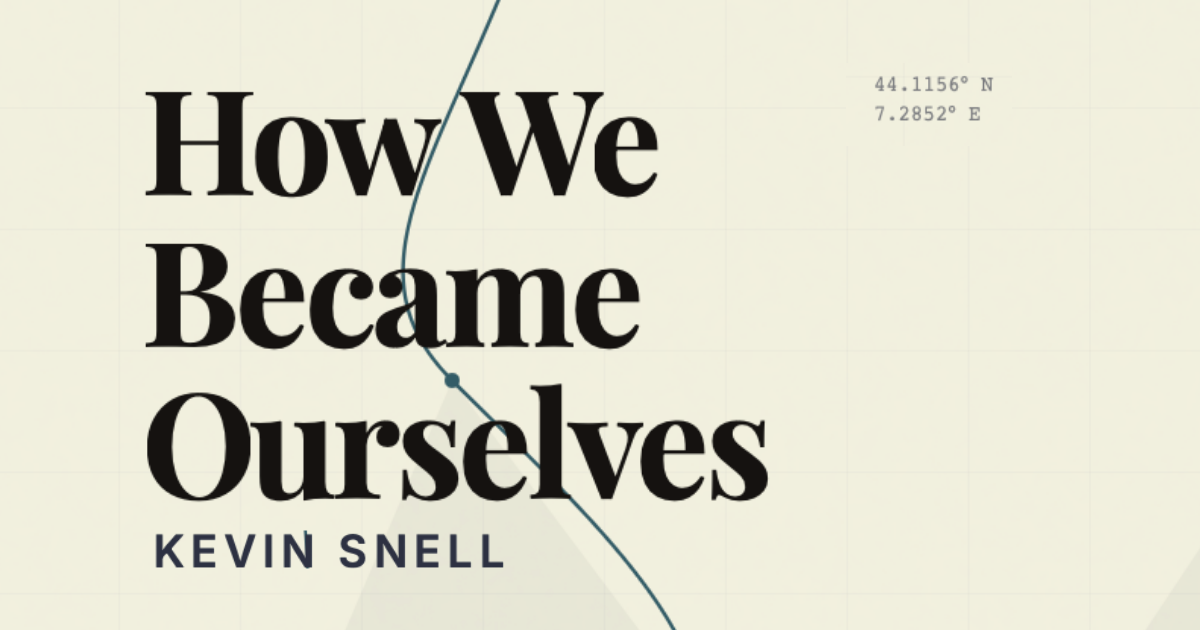
![How We Became Ourselves book cover by Kevin Snell featuring minimalist contemporary design with emotional undertones]()
How We Became Ourselves
-
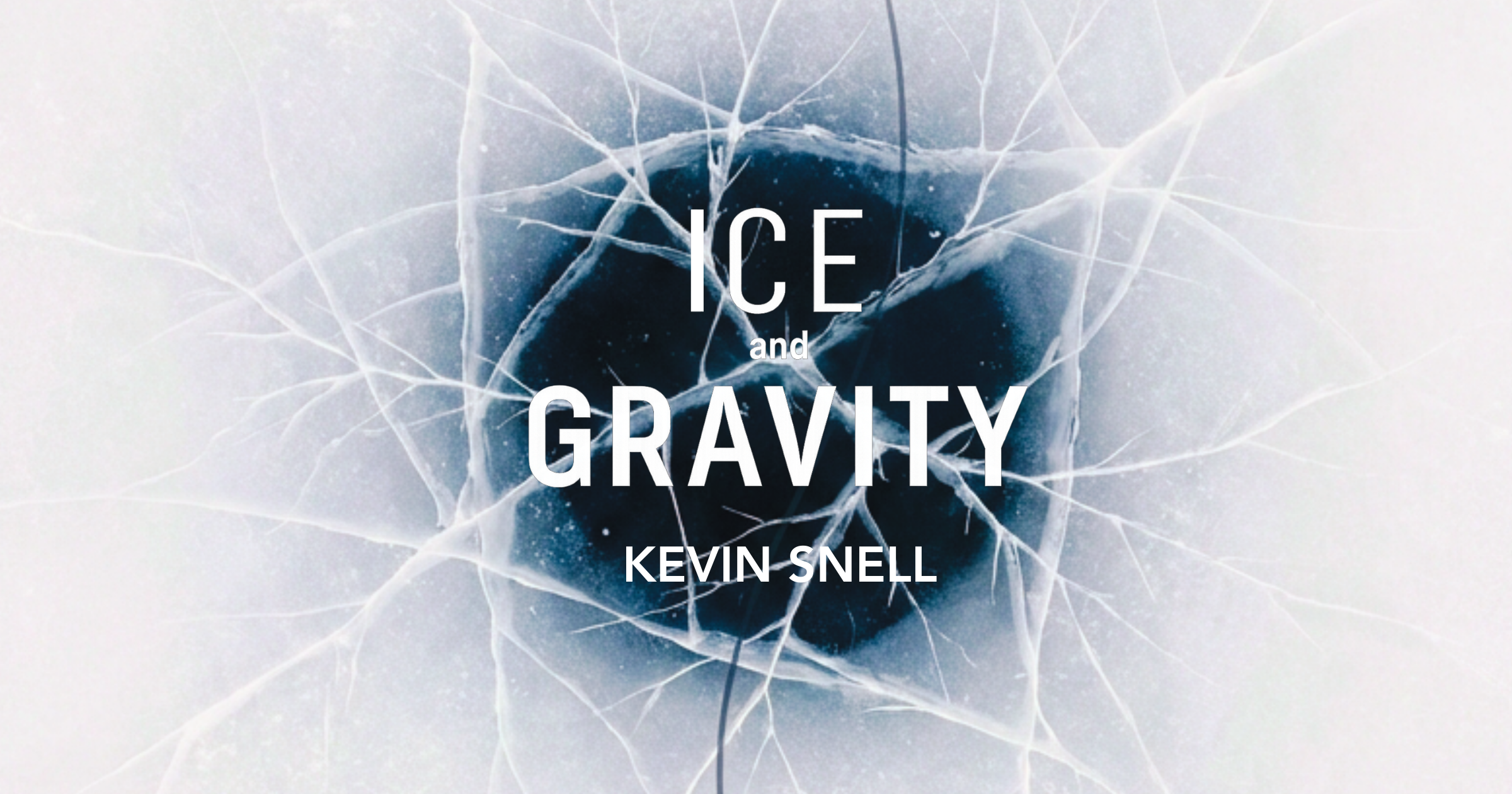
![Ice and Gravity book cover by Kevin Snell featuring a dark circular center surrounded by fractured ice patterns on a pale background.]()
Ice and Gravity